Need stamped concrete help in Grafton?
Ready to plan a new driveway or patio? Request a callback to check provider availability, or send a request and compare written quotes at your own pace.
No obligation
Concrete Driveways & Patios in Grafton, Made Clear
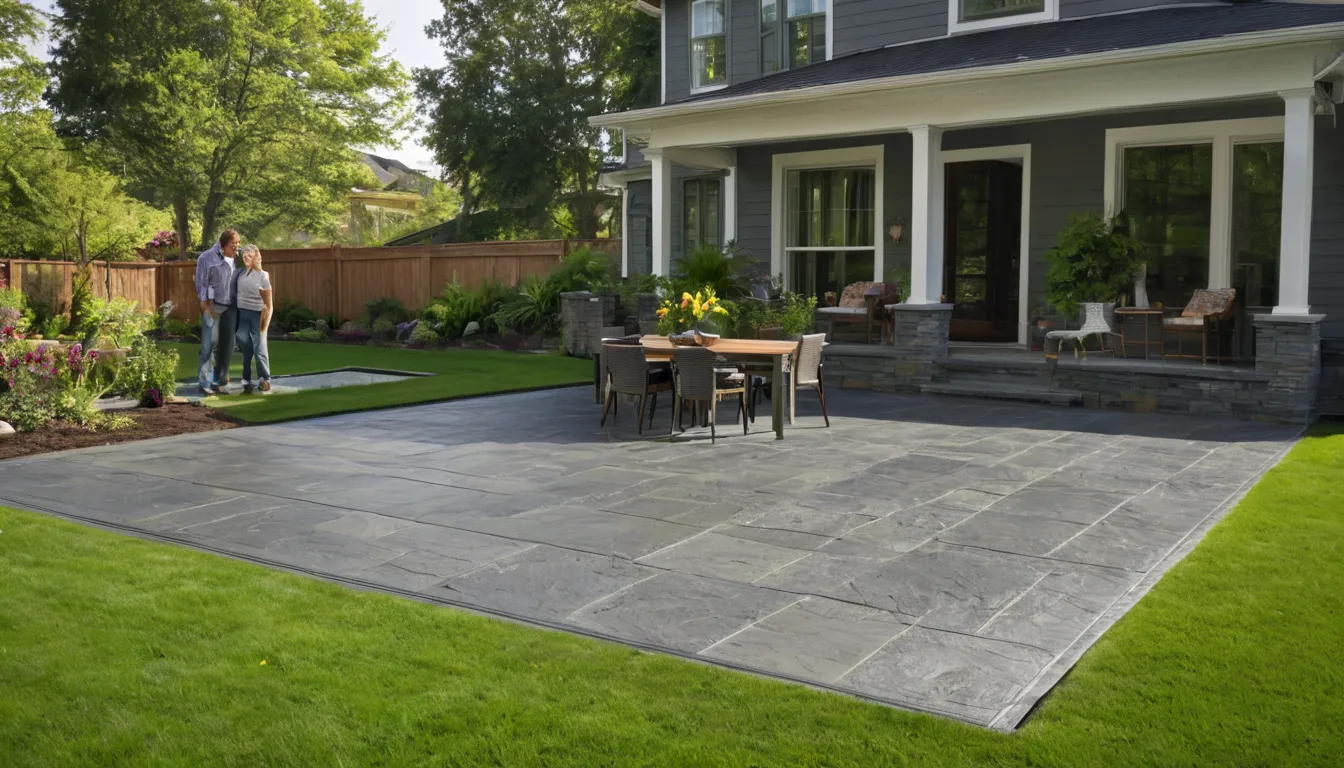
Stamped concrete is ordinary concrete with a pattern pressed into the surface while it is still soft. Think of a cookie pressed with a decorative mold. The dough is the same, but the top carries the design. The result can look like slate, brick, or wood without the cost of laying each piece by hand.
Scientistexpression Concrete is a referral service, not a contractor. We do not pour or stamp concrete ourselves. We connect homeowners in the Grafton area with independent local providers who do the work. Request a callback to ask about provider availability, or request an estimate when you are ready. Either way, you decide what happens next.
If you are thinking about a stamped patio, walkway, or pool deck, you probably have more questions than answers. That is normal. This page explains the process slowly, in plain words, so you know what to ask before anyone arrives.
Scientistexpression Concrete does not pour, color, or seal concrete. We connect you with independent providers in our network. They quote the job, set the schedule, and do the work. Think of us as a phone operator who points your call to the right desk. This page is about new stamped work, not concrete driveway repair for an old slab.
Stamped concrete is a surface finish. It is only as steady as the ground under it. Reading the slab you already have, or the soil where the new one will go, can save you from a costly redo.
Water is like a slow leak in a boat. It does not seem serious until the floor gets wet. If puddles sit near your patio area after rain, or the lawn feels spongy, mention it to the provider. In spring, melting snow and flooding can make this worse, especially near a basement with a sump pump.
Deep frost can push soil up in winter, then let it drop in spring. If a nearby walk has tilted or a crack has grown wide, the ground is moving. Gaps beside the house can also point to a bigger problem. In that case, a visit from foundation repair experts may need to come before any decorative work.
Flakes and rough patches on an old slab often come from freeze and thaw cycles, or from de-icing salt. A thin pattern laid over weak concrete will fail. Providers usually suggest removing the old slab when the surface is breaking down.
The steps look simple, but timing matters. Concrete is like bread dough: you can shape it only while it is soft, and not after it has set.
The provider removes the old surface if needed, then packs a layer of gravel. Wooden forms mark the edges. Good concrete flatwork starts with this base, because a firm base lets water drain away.
Color is mixed into the concrete or brushed on top as a powder. A release agent is then spread so the stamps do not stick.
Workers press rubber mats into the surface by hand, then cut joints to guide cracks. Days later, the slab is cleaned and sealed to protect the color.
Homeowners often choose ashlar slate, random stone, brick, or wood plank. Earth tones like tan, gray, and soft brown blend well with frame houses and ranch homes. Darker shades get hot in humid summer sun, so ask about lighter choices for bare feet. Many providers also show sample boards, which help far more than a photo on a screen.
Stamped concrete suits back patios, front walkways, pool surrounds, and fire pit areas. Bungalows and ranch homes often look good with a stone or brick pattern near the entry. It performs well on flat or gently sloped ground that drains away from the house. It is a poor fit for spots where water collects or the soil keeps shifting.
Pavers are like a puzzle of small pieces. Each can be lifted and replaced, but joints can sprout weeds and shift over time. Stamped concrete is one solid sheet, so it has fewer joints but can crack as a whole. Pavers often cost more to install. Stamped concrete usually needs resealing. Ask a provider to explain both so you can compare.
Most small patios take several days of active work, plus time for the concrete to cure. Cure time is like letting a cake cool before frosting it. Foot traffic may be fine after a few days, but heavy items often wait longer. Rain, heat, and hail-season storms can shift the schedule, so ask your provider about backup dates.
Sweep often and rinse with a hose. Wipe up oil and spills quickly. Use only de-icers that the provider says are safe for sealed concrete, because harsh salt can wear the surface. Plan to reseal every few years, as the sealer slowly wears like paint on a porch. Watch for dull spots and small cracks, and deal with them early.
Ask for a written quote that lists the base work, pattern, color, sealer, and joints. Ask who handles drainage and permits. Ask to see finished work in person if possible. Compare two quotes before you decide. Providers in our network are independent, so each sets its own terms.
Providers can discuss stone, brick, slate, and wood looks to match your home.
Gravel base and slope planning help water move away from your patio and house.
Integral color or surface tint, plus a sealer to protect the finished look.
Control joints guide cracking, and clean borders give the finished area a neat frame.
These are typical U.S. ranges only. Real prices vary with size, pattern, soil, and access. Always ask for a written quote from each provider before you agree to any work.
| Item | Typical range | Notes |
|---|---|---|
| Stamped concrete, per sq ft | $12 – $25 | Pattern and color raise the price |
| Small stamped patio | $2,500 – $6,000 | Roughly 200 to 300 sq ft |
| Stamped walkway or entry | $1,500 – $5,000 | Length and curves matter |
| Old slab removal | $2 – $6 per sq ft | Needed if the surface is breaking down |
| Gravel base and grading | $500 – $3,000 | Soft or wet ground costs more |
| Sealing and resealing | $1 – $3 per sq ft | Repeat every few years |
Request a callback or send the request form with your location, project size, and pattern ideas.
Your request goes to an independent local provider in our network who handles this work.
Check the base work, pattern, color, sealer, and schedule before you agree to anything.
The provider forms, pours, stamps, and seals. You choose whether to go ahead.
Scientistexpression Concrete is a referral service, and providers do the work.
Each step is explained slowly, with simple comparisons and no pressure.
Spotting small warning signs first helps you plan calmly before problems grow.
Asking questions or requesting an estimate does not commit you to anything.
Ready to plan a new driveway or patio? Request a callback to check provider availability, or send a request and compare written quotes at your own pace.
It can be, when the base drains well and the surface is sealed. Deep frost and de-icing salt can wear any concrete, so ask providers about air-entrained mix, joints, and safe de-icers.
No. Scientistexpression Concrete is a referral service, not a contractor. We connect homeowners with independent local providers in our network. The provider you choose gives you the quote, sets the schedule, and does all the work on your property, so ask them any questions about the job directly.
Many providers suggest resealing every two to five years, depending on sun, weather, and foot traffic. Dull patches or spots where water soaks in instead of beading are common signs it is time.
Ready to plan a new driveway or patio? Request a callback to check provider availability, or send a request and compare written quotes at your own pace.
No obligation