Need concrete driveways in Grafton?
Ready to plan a new driveway or patio? Request a callback to check provider availability, or send a request and compare written quotes at your own pace.
No obligation
Concrete Driveways & Patios in Grafton, Made Clear
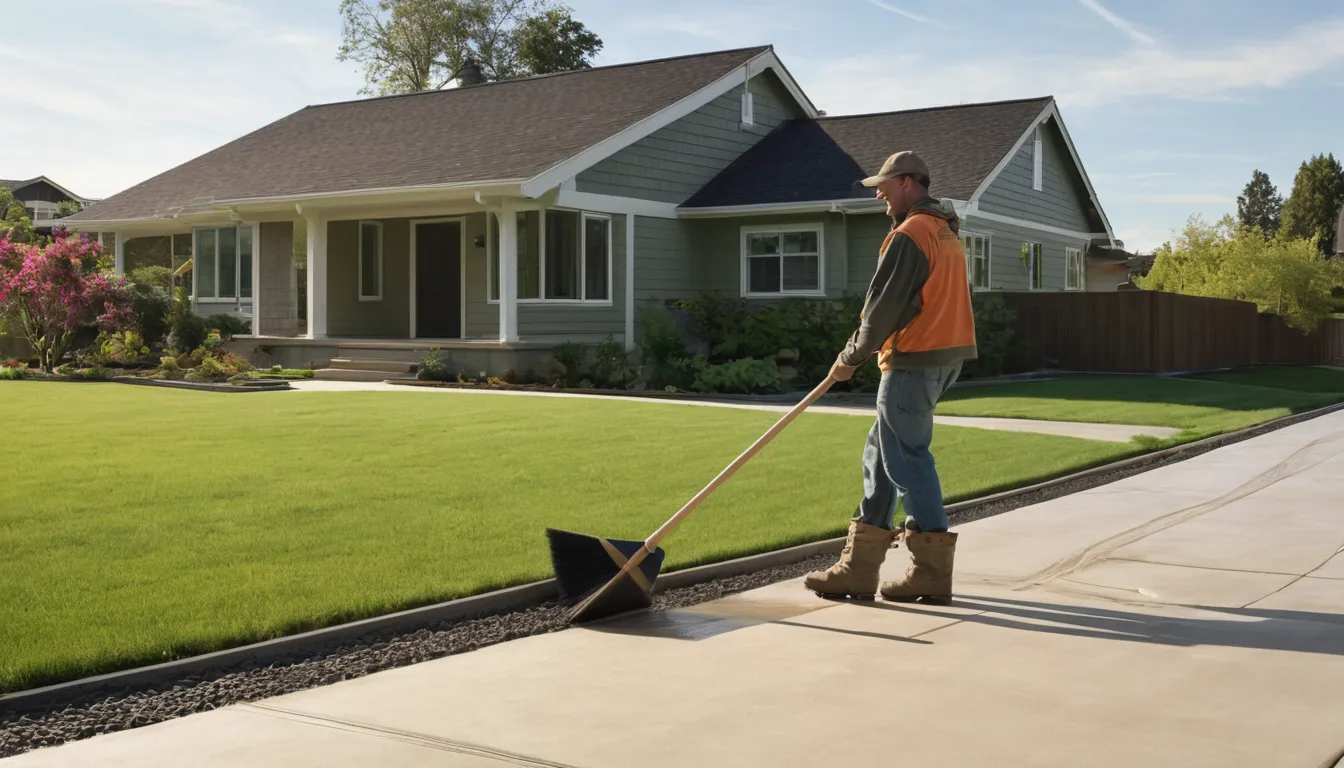
A concrete driveway carries your cars, your snow shovel and your mail carrier for decades. In the Grafton area, it also faces deep frost, hot humid summers and hard storms. A good new slab starts with the right base, the right thickness and a plan for water.
Scientistexpression Concrete is a referral service, not a contractor. We do not pour concrete. We connect homeowners in Grafton, Illinois with independent local providers in our network. The provider gives you a written quote and does the work. This page explains the early warning signs, the steps of a new driveway and the questions worth asking.
A driveway works quietly for years, so most people ignore it until something looks wrong. Think of it like a pair of work boots. Small scuffs are normal. A split sole means it is time to plan ahead. This page covers the signs, the steps and the questions to ask.
Start with the signs that can turn into safety or water problems. Walk the slab after a hard rain, and again after a hard frost.
Hairline cracks are common. Concrete shrinks a little as it dries, and a thin line is often just that. Wider cracks are different. So are cracks you can slip a coin into, or ones that branch out like a spider web. Water gets in, turns to ice, and pushes the crack wider each winter, the way a bottle left in a very cold car can split.
A slab that sits higher than its neighbor creates a trip edge. It usually means the soil underneath moved. Deep frost, spring flooding and soft fill can all cause it. Read the slab: slide your foot across each joint and feel for steps.
A driveway should lean gently away from the garage and foundation. If puddles sit near the house, that water may end up in a full basement and keep a sump pump busy. Slabs that settle right beside the house can also point to a bigger problem. Foundation repair experts are a separate trade from driveway providers, and a local provider can help you sort out which one you need.
Concrete driveway repair makes sense when damage is small and the base is still firm. Think of a patch on a bike tire. It works when the rest of the tire is sound. If cracks cover much of the surface, the top is flaking, or several slabs have sunk, patching only buys a little time. This site focuses on new driveway projects, so it is a good match when replacement is on the table.
Old concrete is broken up and hauled away. The ground is then shaped, and a layer of gravel is packed down. The base is like the mattress under a sheet. If it is lumpy or soft, everything above feels it.
Wooden forms mark the edges. Rebar or wire mesh may be added to help hold cracks tight. Then the concrete is poured, leveled and finished. Control joints are cut so that cracks form along straight lines on purpose. This kind of concrete flatwork is simple to see but easy to rush.
Most homes use about four inches of concrete for cars. Heavier trucks or an RV often call for five or six inches. A single-car strip is often around ten feet wide, and a two-car driveway is commonly twenty feet or more. Think about how you open car doors and where the snow gets piled.
Finish matters in cold climates. A broom finish gives grip on icy mornings. Exposed aggregate and stamped patterns look richer, but they usually cost more. Ask about air-entrained concrete. It holds tiny air bubbles that give water room to expand, like leaving space at the top of a jar of juice.
The apron is the section where your driveway meets the street. Many towns own that strip, so they set rules for its thickness and width. A permit or inspection may be required. Some areas also limit how much of a front yard can be paved. Ask the provider who handles the permit and the apron, and check with your local building office, since rules differ from town to town.
Scientistexpression Concrete does not pour concrete. It is a referral service. You share your project details, and they are passed to independent local providers in our network. The provider, not Scientistexpression Concrete, gives the quote, sets the schedule and does the work. Calls placed through this site are routed to a provider who may be able to help. Availability varies, so Request a callback to check provider availability.
Treat it like picking a good tutor. Ask questions and listen for clear answers.
Concrete does not simply dry. It cures, a slow process that needs moisture, much like a cake that keeps setting after it leaves the oven. Keep cars off for as long as your provider says. Keep heavy vehicles off even longer. Skip de-icing salts through the first winter.
Clear debris, watch the joints each season, and ask your provider about sealing. Plan before problems, and small cracks stay small.
Providers break up and haul away the worn driveway so the new one starts on clean ground.
A firm, level base helps the slab sit evenly through frost and heavy rain.
Wooden forms set the shape, and steel can help hold future cracks tight.
Concrete is leveled, textured for grip, and cut with joints to guide cracking.
These are typical U.S. ranges. Your price depends on size, soil, access and finish, so always ask for a written quote from each provider.
| Item | Typical range | Notes |
|---|---|---|
| Standard broom-finish driveway | $6 – $12 per sq ft | Common choice; varies by thickness and region |
| Two-car driveway, complete | $4,000 – $10,000 | Roughly 400 to 700 square feet |
| Old slab removal and haul-away | $1 – $3 per sq ft | Higher with thick or reinforced concrete |
| Gravel base and grading | $1 – $4 per sq ft | Soft soil or slopes can add cost |
| Exposed aggregate or stamped finish | $10 – $20 per sq ft | More labor and skill than broom finish |
| Permit and apron work | $50 – $3,000 | Depends on local rules and street section |
Note cracks, sunken spots and puddles so you can describe what you see.
Request a callback or use the form, and share your size and goals.
A local provider reviews the site and gives a quote you can compare.
Agree on a date with the provider, then let the new concrete cure.
Scientistexpression Concrete says clearly that it refers you to independent providers and does not do the work.
Providers in our network know area frost depth, soil and local permit habits.
Each step is explained in everyday words, so you can ask better questions before you commit.
Requesting an estimate carries no obligation, and you choose whether to hire anyone.
Ready to plan a new driveway or patio? Request a callback to check provider availability, or send a request and compare written quotes at your own pace.
A well-built concrete driveway often lasts 25 to 30 years or more. Base quality, drainage, thickness and winter salt use all matter. Providers can explain what to expect for your soil and climate.
Patching works for small, isolated damage on a solid base. If cracks are wide and widespread, slabs have sunk, or the surface is flaking, replacement is usually the better plan. Ask a provider to look.
No. Scientistexpression Concrete is a referral service. It connects homeowners with independent local providers in its network. The provider you choose gives the quote, signs the agreement and does the work.
Ready to plan a new driveway or patio? Request a callback to check provider availability, or send a request and compare written quotes at your own pace.
No obligation