Need residential concrete patios in Grafton?
Ready to plan a new driveway or patio? Request a callback to check provider availability, or send a request and compare written quotes at your own pace.
No obligation
Concrete Driveways & Patios in Grafton, Made Clear
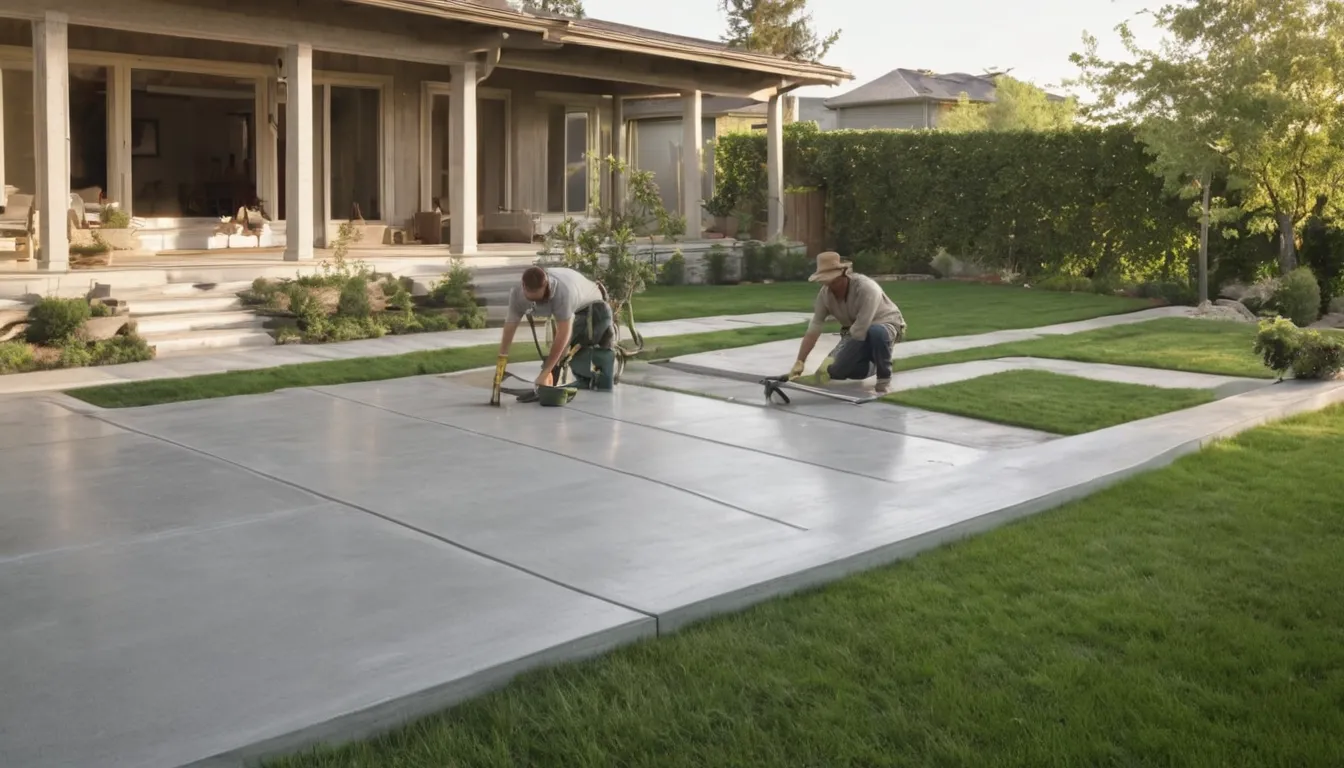
A concrete patio is a flat outdoor floor for your yard. It gives you a steady place for chairs, a grill, and family meals. In the Grafton area, it also has to handle deep frost, hot humid summers, and hard storms.
Scientistexpression Concrete is a referral service. We do not pour concrete. We connect homeowners with independent local providers in our network, and each provider sets its own schedule, price, and workmanship. This page explains how a patio project works, what drives the price, and what to ask before you agree to anything.
Most people start with a simple wish: a flat, tidy spot outside the back door. Concrete is a common answer. It is the same material used for sidewalks and garage floors, so it is built to carry weight and weather.
Think of a patio like a table. A table only works if it is level and the legs are steady. Concrete works the same way, because the ground under it matters as much as the slab itself.
Scientistexpression Concrete does not pour, finish, or seal anything. We are a referral service. When you reach out, we route your request to a local provider in our network. That provider is independent, and it talks to you directly about the job.
Small signs show up long before a patio fails. Reading the slab early lets you plan a replacement on your schedule, not in a rush.
A hairline crack is like a small tear in a sleeve. It may stay put. A crack that widens, or one where two edges sit at different heights, means the ground below is moving.
After a rain, watch where puddles sit. Water that lingers, or that runs toward the house, tells you the slope is wrong. Over time that water can freeze, expand, and flake the surface.
A rough, flaking top, a corner that has dropped, or a slab that tilts toward the wall are all reasons to ask a provider for an opinion.
Concrete is like a good pair of work boots. It is not fancy by default, but it lasts and it can be dressed up. It handles furniture, planters, and heavy grills. It can be shaped into curves or squares, and it can be colored or textured.
In the Grafton area, cold winters push frost deep into the soil. Soil that freezes can lift a slab the way a sponge swells when it soaks up water. A well-planned base and good drainage give that moving ground somewhere to go.
Every provider works a little differently, but most projects follow the same path.
The provider marks the shape, removes grass and loose soil, and sets the height. This step is like drawing a plan before cutting fabric.
A packed gravel base is added so the slab sits on firm footing. Wooden or metal forms hold the edges. Steel bar or wire mesh is often placed inside to help control cracking.
The concrete is poured, leveled, and finished. Then it cures, which means it slowly hardens while holding moisture. Curing is like letting bread rest. Rushing it weakens the result.
Begin with how you live. Measure the table you want, then add room to pull chairs back. Many people are surprised how large a dining set feels once it is outside.
If you have a ranch home or a bungalow, a patio that lines up with the back door often looks natural. Larger slabs cost more and need more careful jointing, so a provider may suggest sections.
The surface is the part you see and feel. It is also the part that handles slips and weather.
A broom finish has light lines that add grip when wet. A smooth finish looks clean but can be slick, so many homeowners avoid it outdoors.
Stamped concrete patios use patterns pressed into the surface while it is still soft, much like a cookie cutter on dough. The result can look like stone, brick, or wood. Color can be added too. Stamped work takes more skill and often costs more than plain concrete flatwork.
Water is the quiet force behind most slab trouble. A patio next to the house should slope gently away from it, like a roof that sheds rain. Homes with full basements and sump pumps feel this most, since extra water near the wall ends up in the pit.
If you already see damp basement walls or cracks in the foundation, bring that up early. Foundation repair experts are a separate trade, and a patio provider can tell you if the grade needs attention first.
Ask each provider the same plain questions so you can compare fairly.
A provider that answers clearly is easier to trust than one that rushes you.
New concrete needs a few weeks before heavy loads. After that, care is light. Sweep it, rinse it, and clear snow with a plastic shovel. Ask your provider about sealing, and about de-icing products, since some salts can harm young concrete.
Check the slab each spring. Spotting a small crack early is like catching a loose button before the shirt tears.
The provider measures your yard, marks the shape, and sets the patio height before any digging begins.
A packed gravel base and steel reinforcement help the slab stay steady through frost cycles.
Concrete is poured, leveled, and given a grip-friendly or decorative surface.
The slab cures slowly, forms come off, and the work area is tidied.
Patio prices depend on size, finish, ground conditions, and access. These are typical U.S. ranges only. Local prices differ, so ask providers for a written quote that lists every item.
| Item | Typical range | Notes |
|---|---|---|
| Plain broom-finish patio (per sq ft) | $6 – $12 | Basic slab with standard base |
| Stamped or colored patio (per sq ft) | $12 – $22 | Pattern and color add labor |
| Exposed aggregate finish (per sq ft) | $8 – $18 | Textured, slip-resistant look |
| Removing an old slab | $2 – $6 per sq ft | Depends on thickness and disposal |
| Grading and drainage work | $500 – $3,000 | Varies with slope and soil |
| Sealing | $1 – $3 per sq ft | Often repeated every few years |
Request a callback or send the form with your patio idea, rough size, and any drainage worries.
Your request is routed to an independent provider in our network.
The provider looks at the site and explains the scope, finish, and price.
Compare options, ask questions, and choose only when you feel ready.
Scientistexpression Concrete only connects you. Independent providers do all the work and set their own terms.
Your request goes to a local provider in our network, and they speak with you directly.
Asking for an estimate does not commit you to hire anyone. Compare quotes at your own pace.
We explain how patios work in simple words so you can ask better questions.
Ready to plan a new driveway or patio? Request a callback to check provider availability, or send a request and compare written quotes at your own pace.
Concrete usually walks firm in a few days, but it keeps gaining strength for weeks. Many providers suggest waiting about a week for light use and longer before heavy furniture or grills. Ask your provider.
Yes, any slab can crack as frost moves soil. Good base prep, reinforcement, and control joints help guide where cracks form. Proper drainage also keeps frozen water from pushing on the slab.
They need a bit more care. Sealing helps protect color and pattern, and it is usually repeated every few years. Daily upkeep is simple: sweep, rinse, and avoid harsh de-icing salts.
Ready to plan a new driveway or patio? Request a callback to check provider availability, or send a request and compare written quotes at your own pace.
No obligation